Organ-on-Chip
Lung
Liver
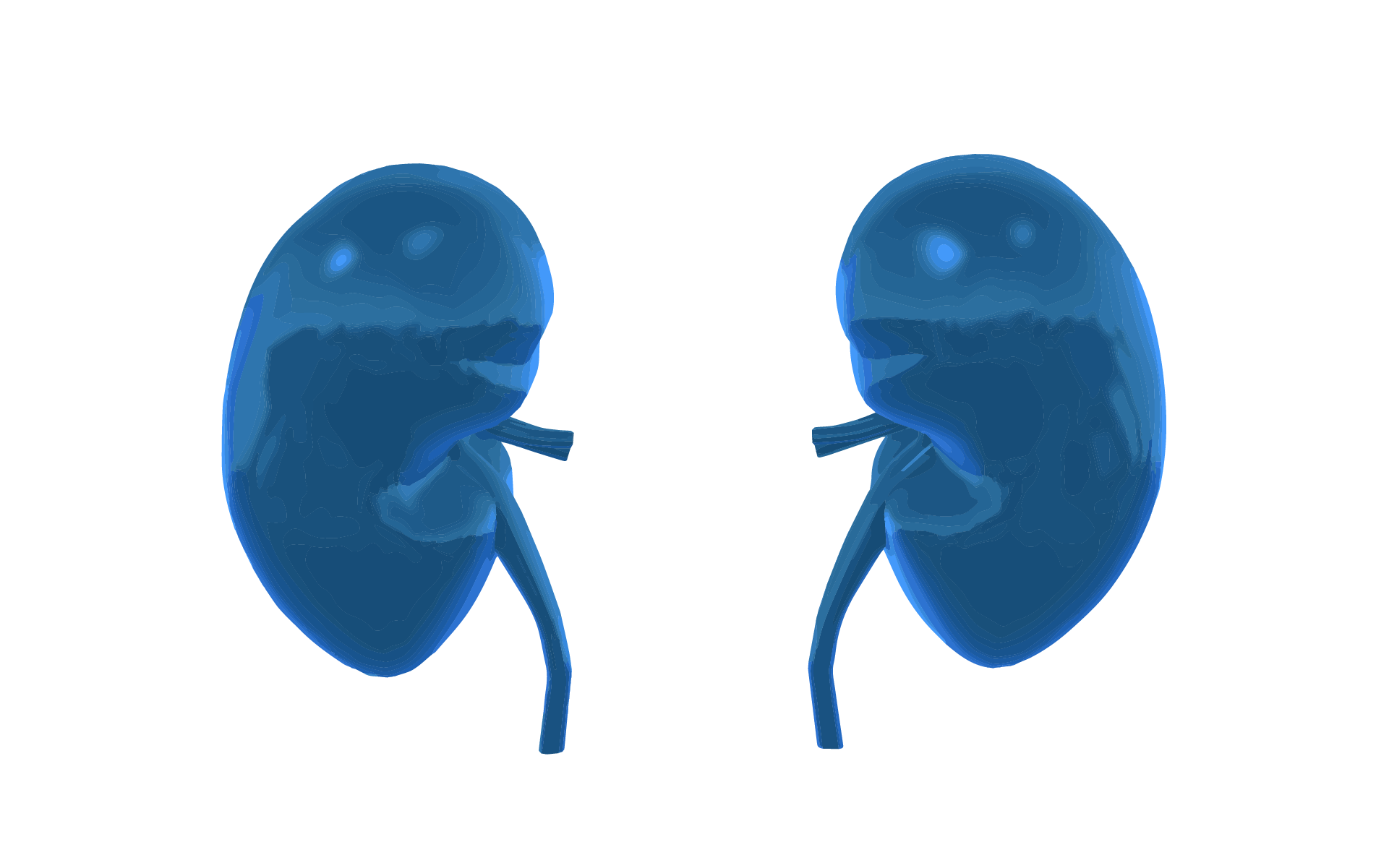
Kidney
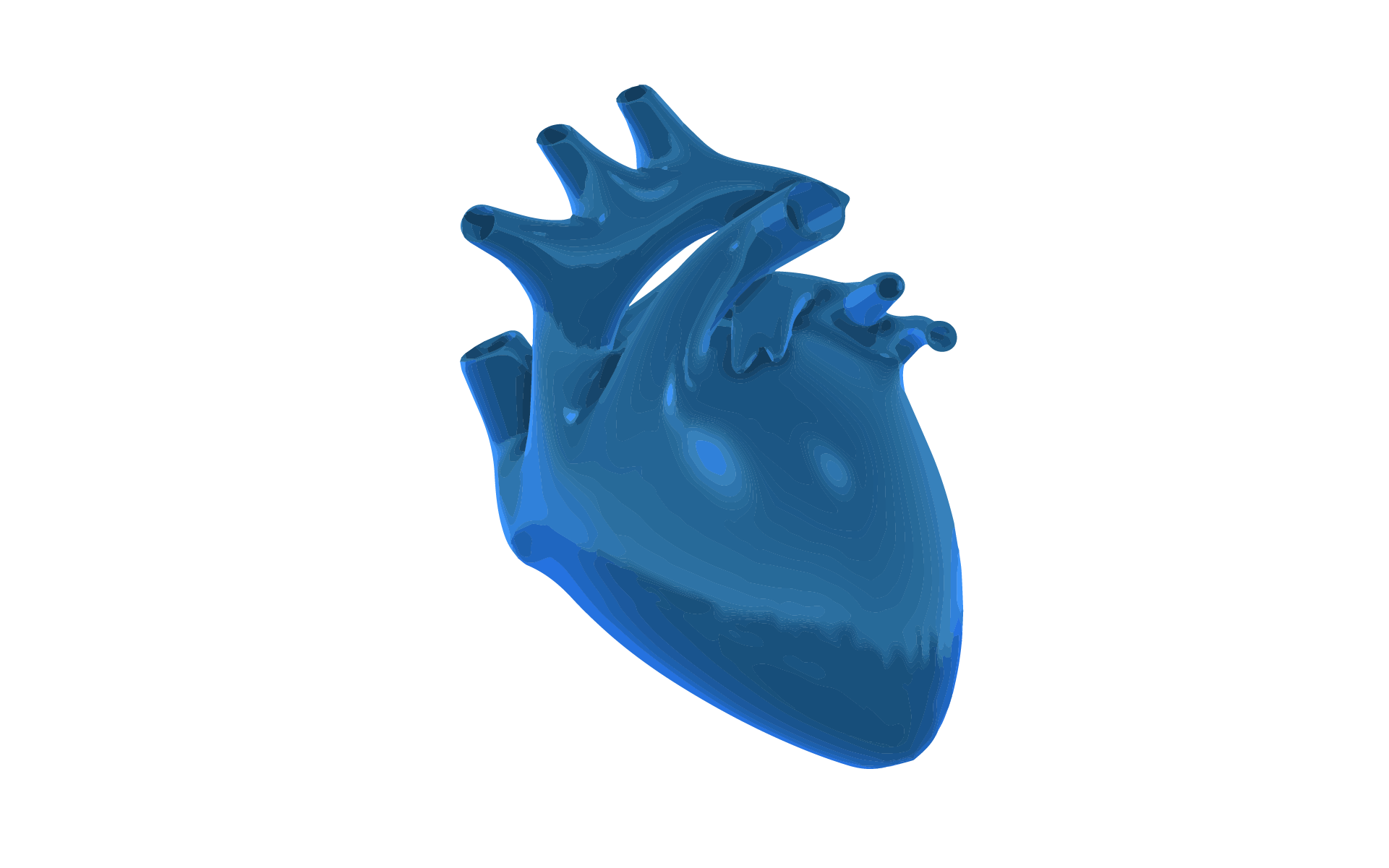
Heart
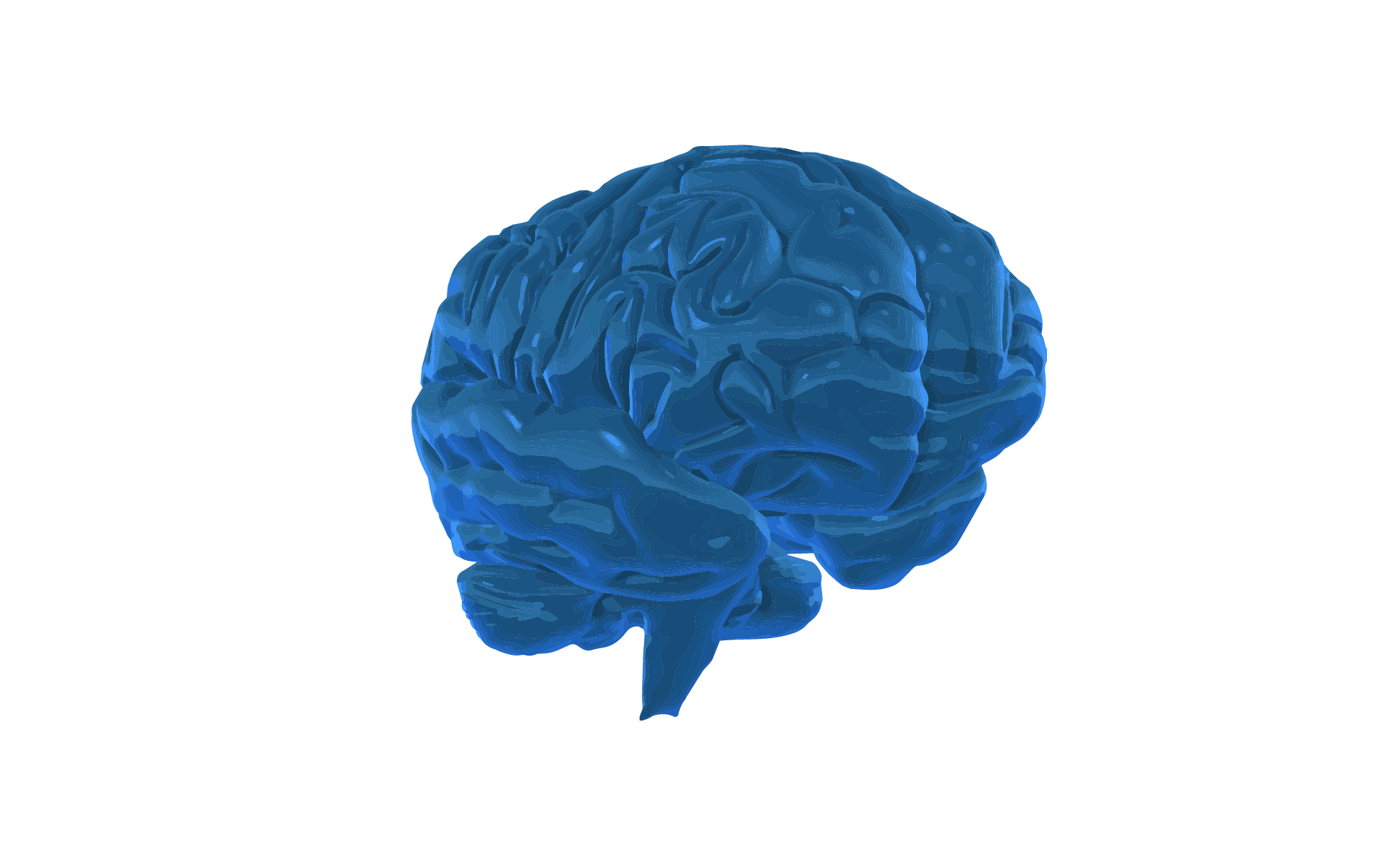
Brain
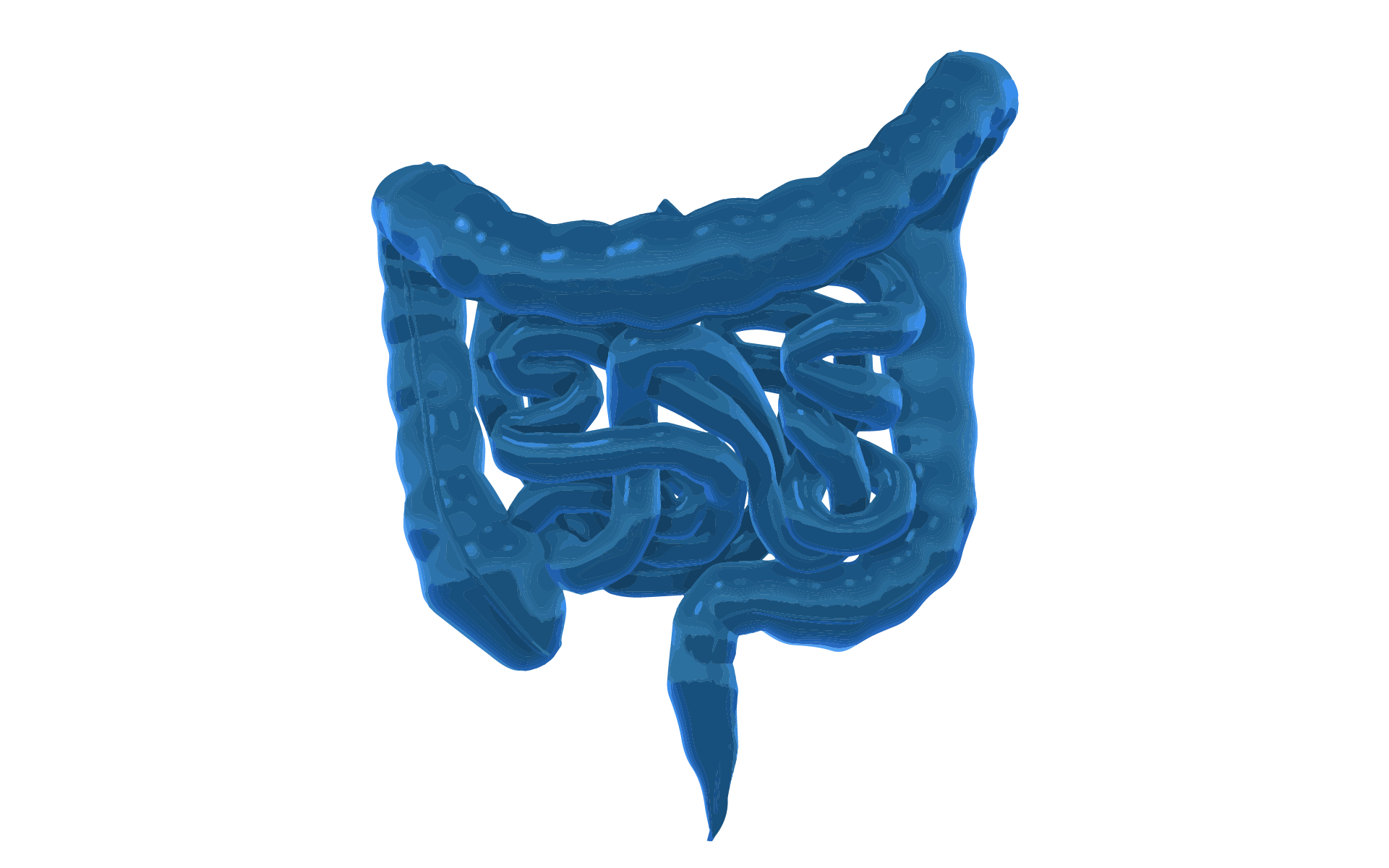
GI Tract
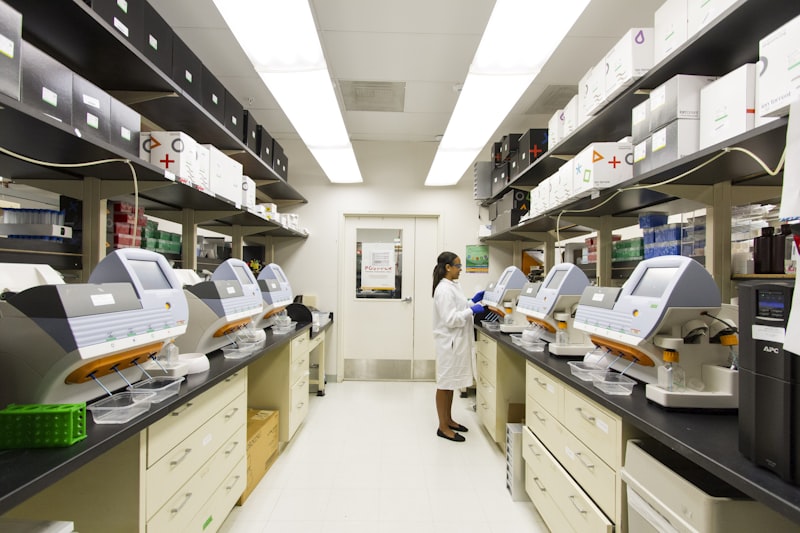
Organ-on-chip devices are microfluidic systems that recreate the physiological environment of human organs on a microscale. These platforms enable researchers to study drug effects, toxicity, and disease mechanisms in conditions that closely mimic the human body.
Lung-on-Chip
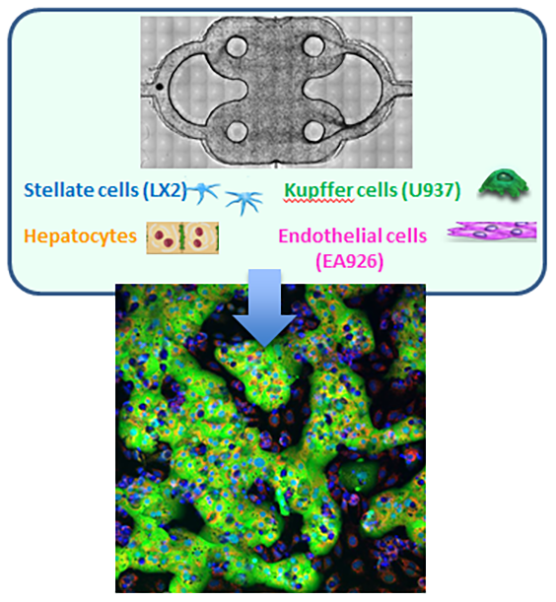
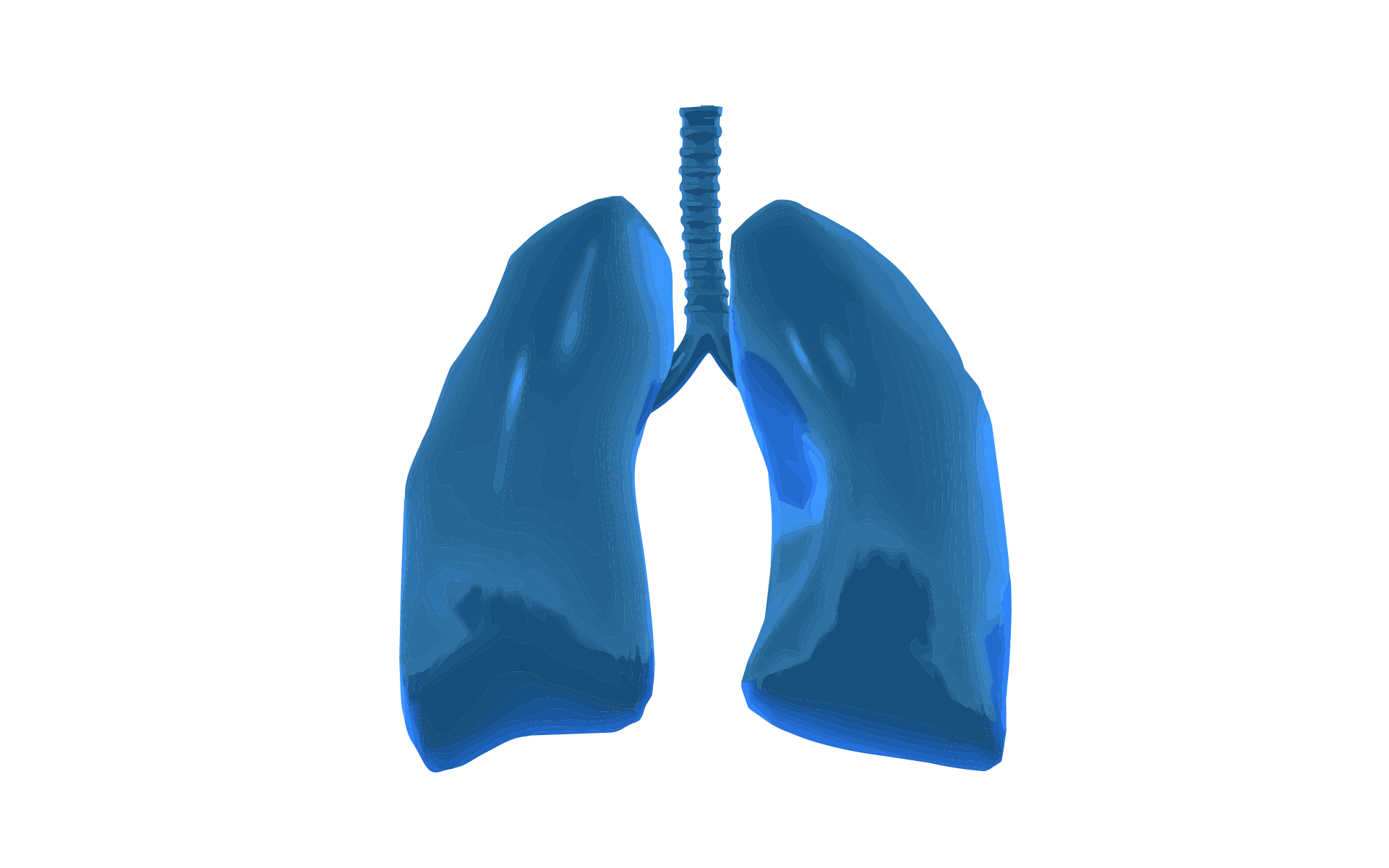
Recreates the air-blood barrier with breathing motions for inhalation drug testing and respiratory disease modeling.
Liver-on-Chip
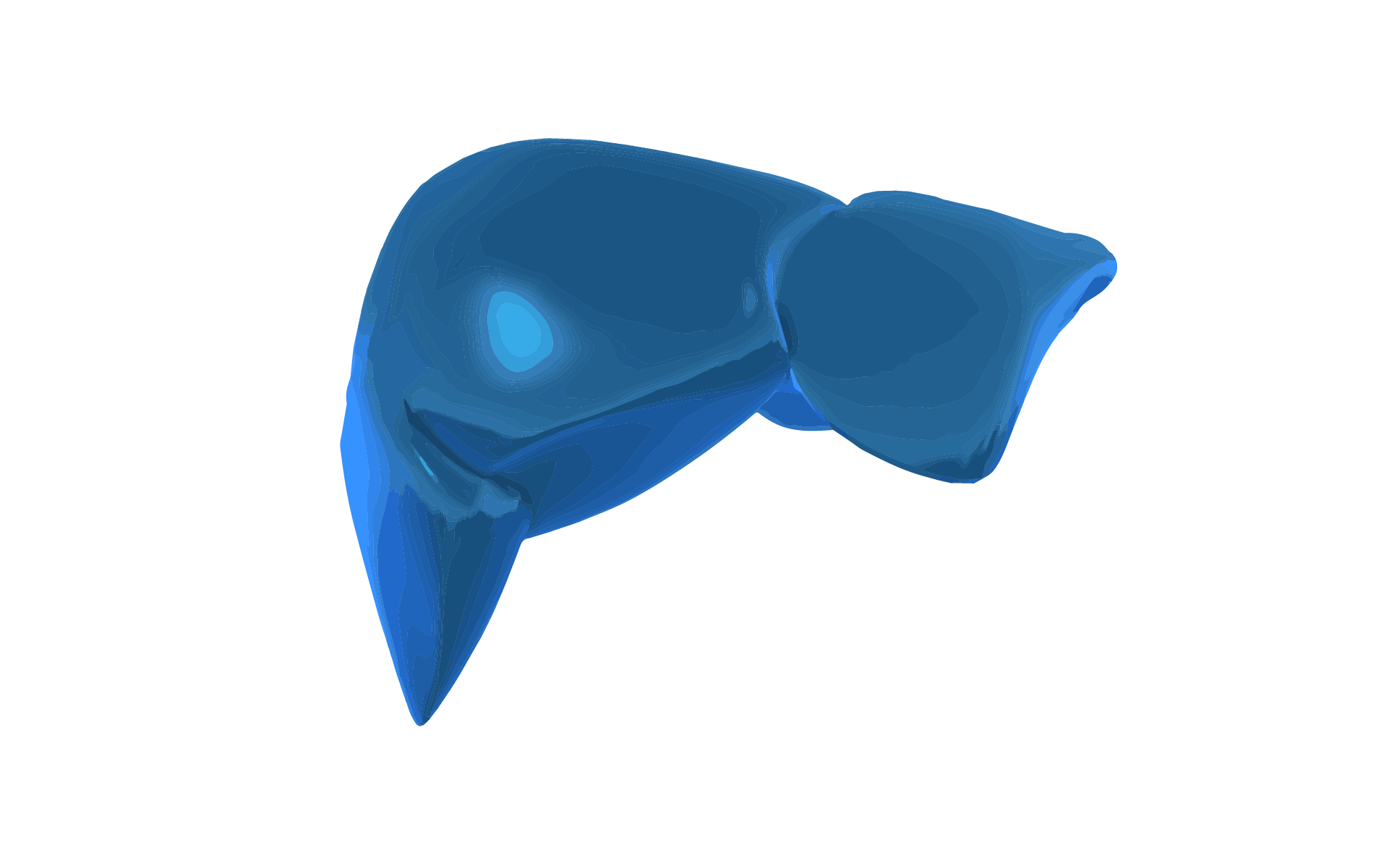
Models hepatic metabolism for DILI prediction and drug-drug interaction studies.
Kidney-on-Chip
Simulates nephron function for nephrotoxicity screening and renal drug clearance studies.
Heart-on-Chip
Measures cardiac contractility and electrophysiology for cardiotoxicity assessment.
Organoids
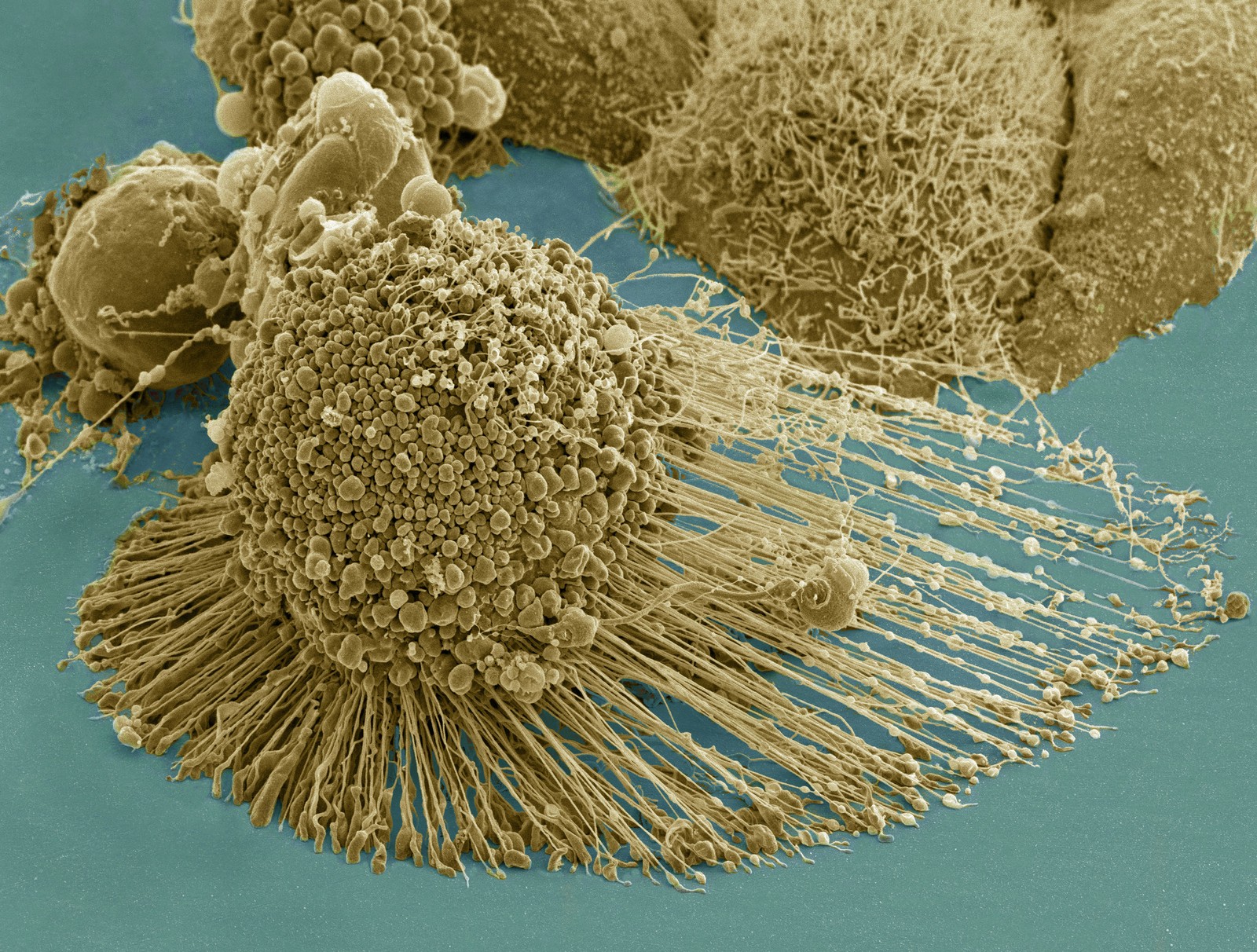
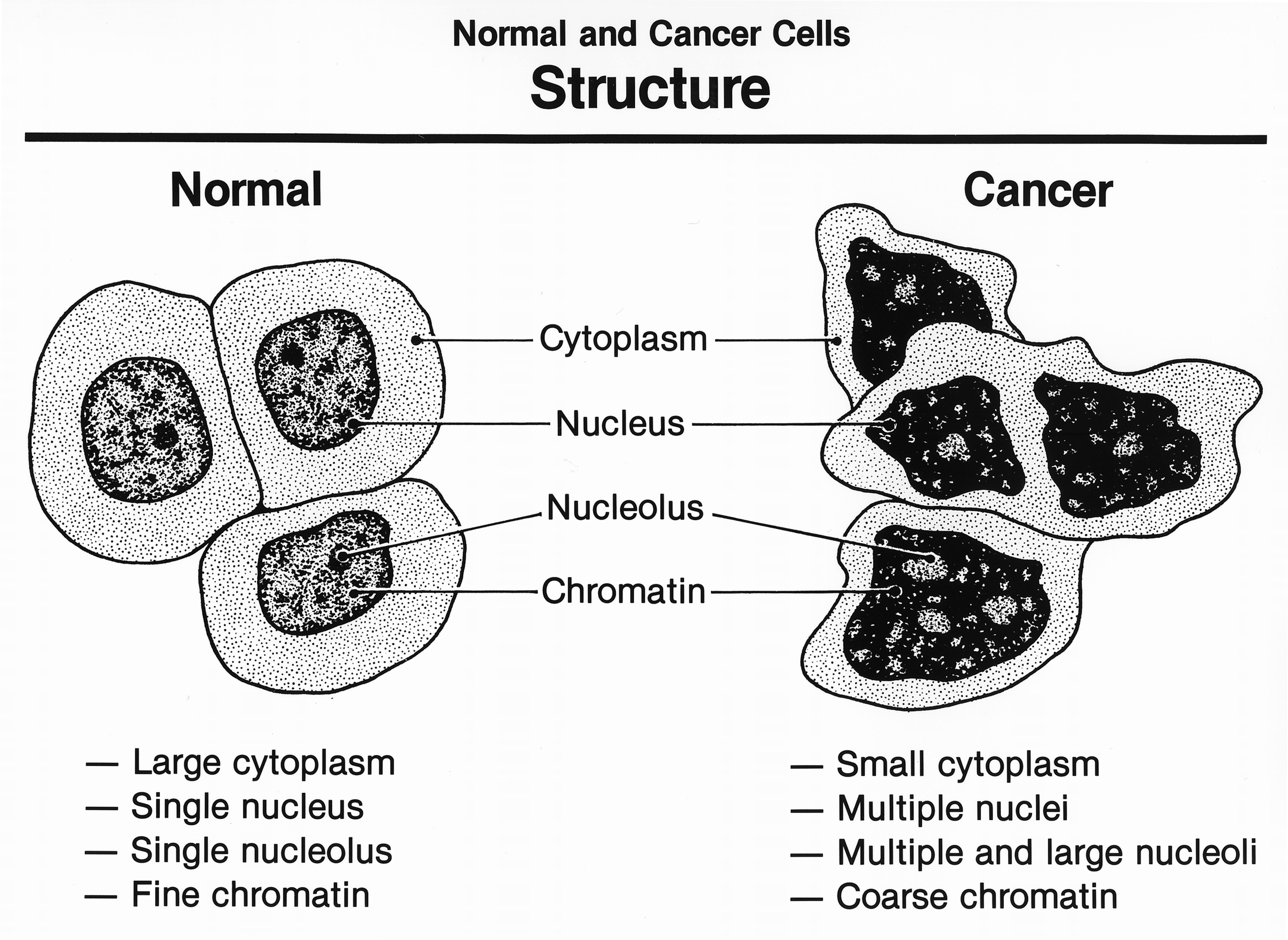
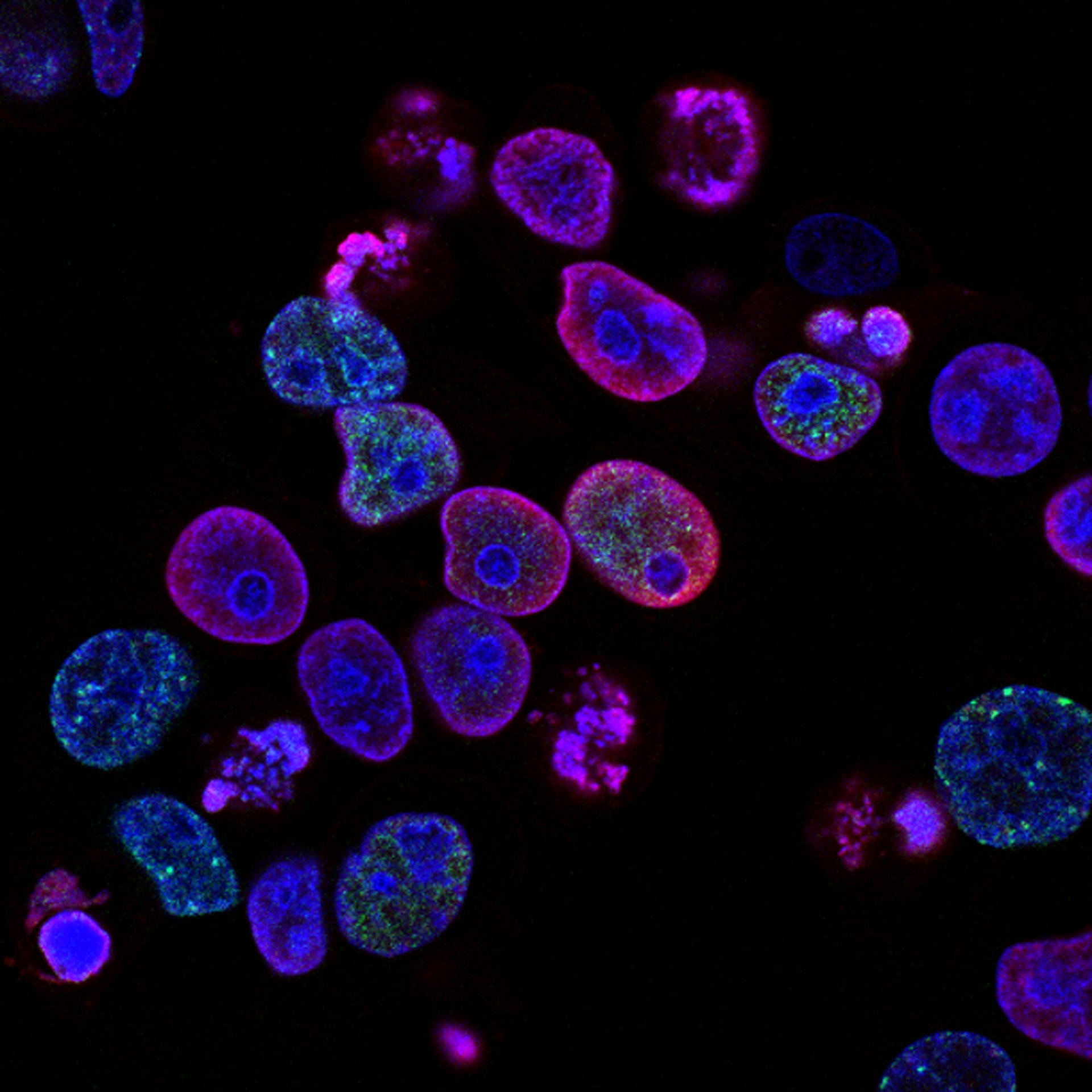

Organoids are self-organizing 3D cellular structures derived from stem cells that replicate the architecture and function of human organs. Patient-derived organoids enable personalized drug testing on an individual's own cells.
Brain Organoids
Model neurological diseases including Alzheimer's, Parkinson's, and brain tumors for CNS drug development.
Intestinal Organoids
Study gut absorption, barrier function, and microbiome interactions for oral drug delivery.
Tumor Organoids
Patient-derived cancer models for personalized oncology treatment selection.
Retinal Organoids
Model retinal degeneration for gene therapy and AMD treatment development.
Digital Twins
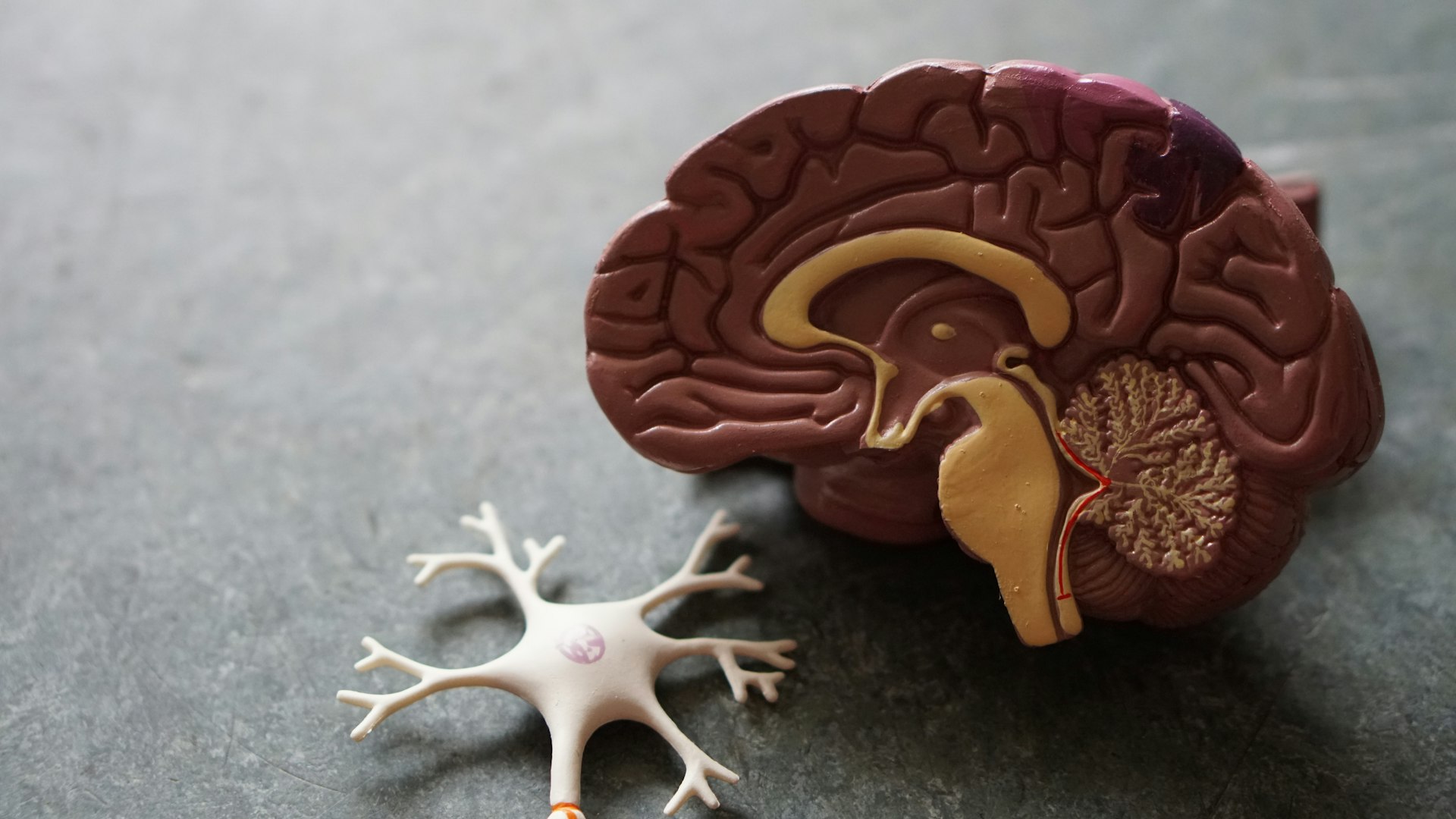
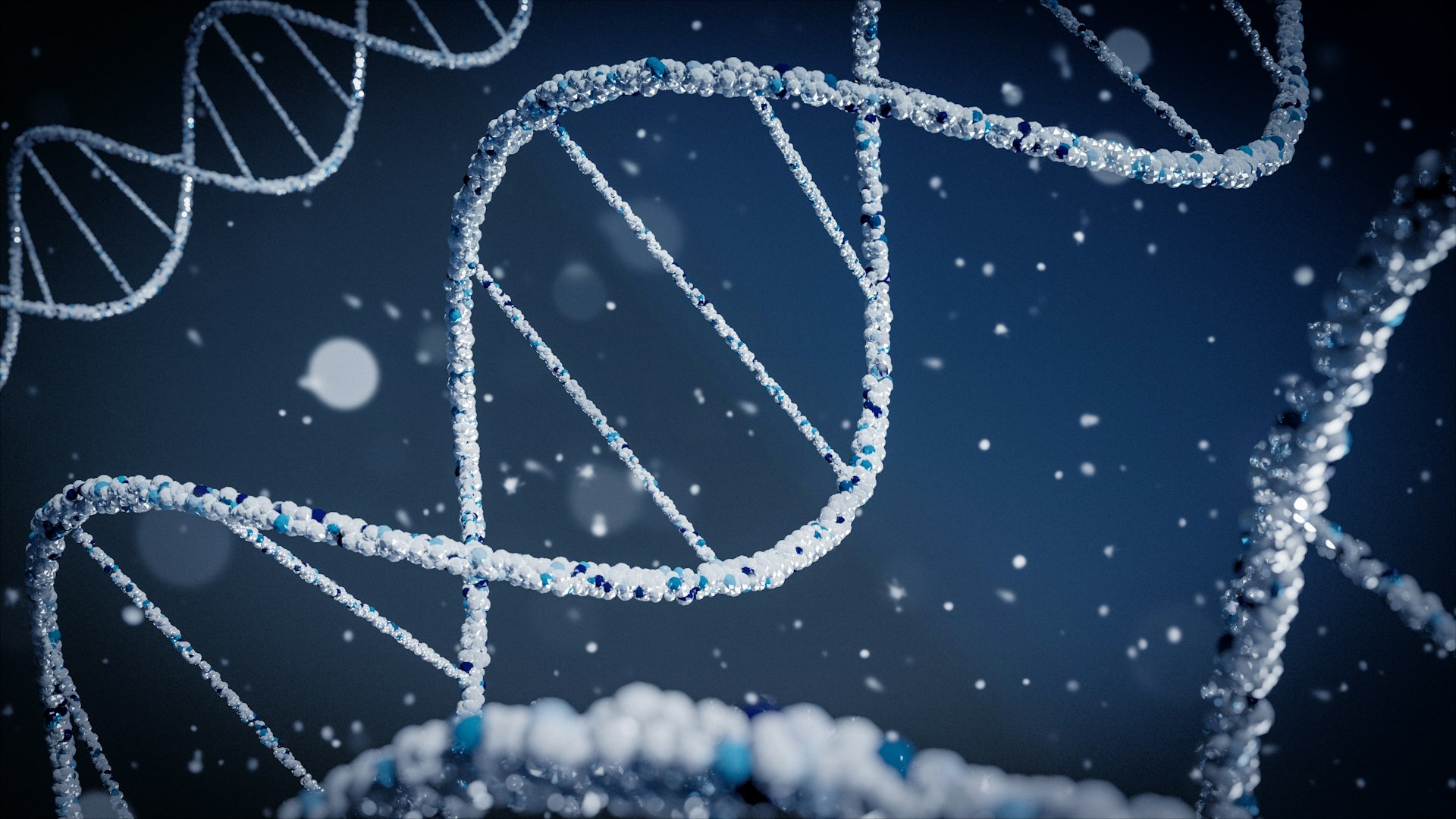
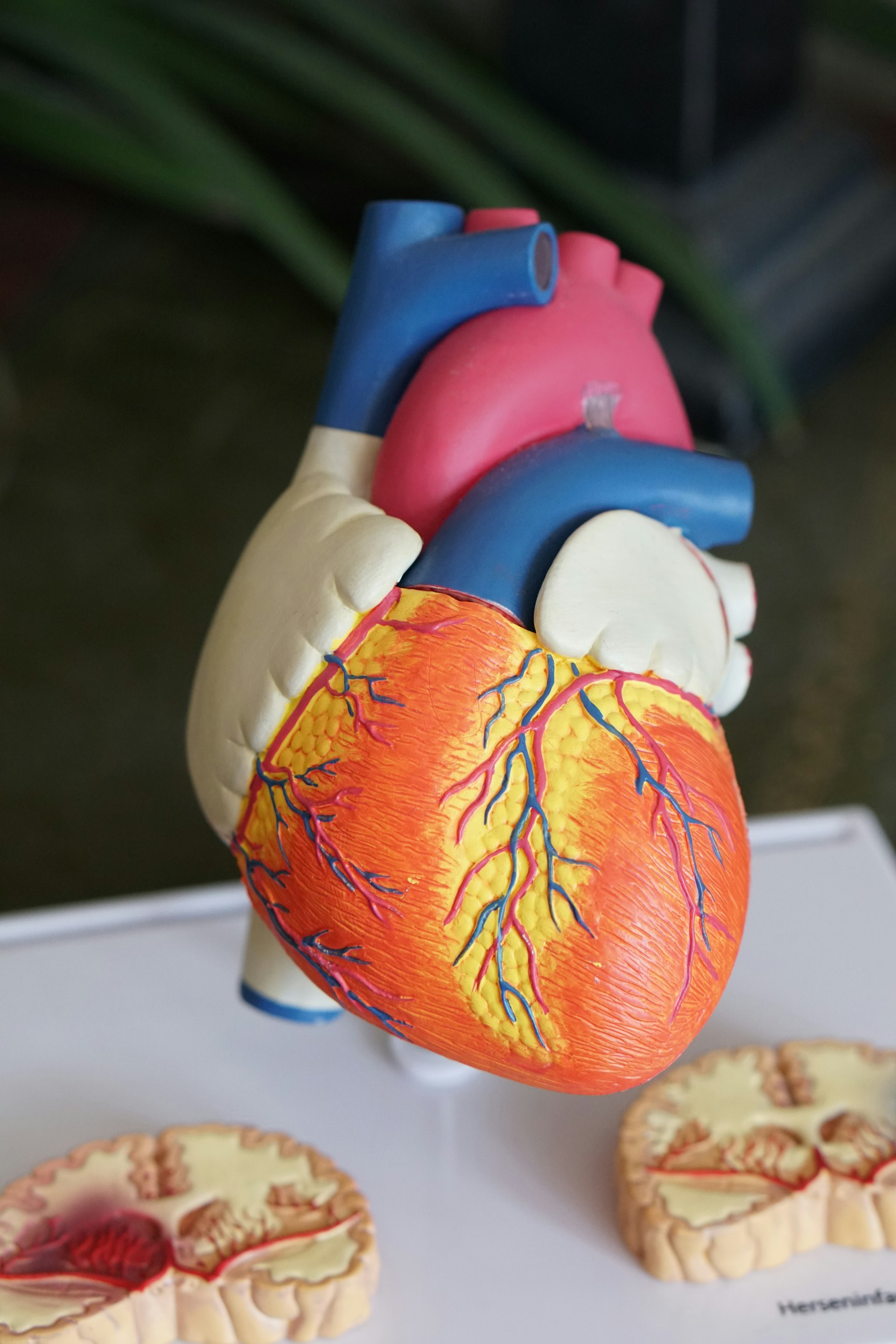
Digital twins are computational models that integrate multi-omic data to create virtual representations of individual patients. These models predict drug responses, optimize dosing, and identify potential adverse effects before clinical testing.
Pharmacokinetic Modeling
Predict drug absorption, distribution, metabolism, and excretion across patient populations.
Systems Biology
Model complex biological networks to identify drug targets and predict pathway effects.
AI-Driven Prediction
Machine learning models trained on clinical data to forecast treatment outcomes.
iPSC Differentiation
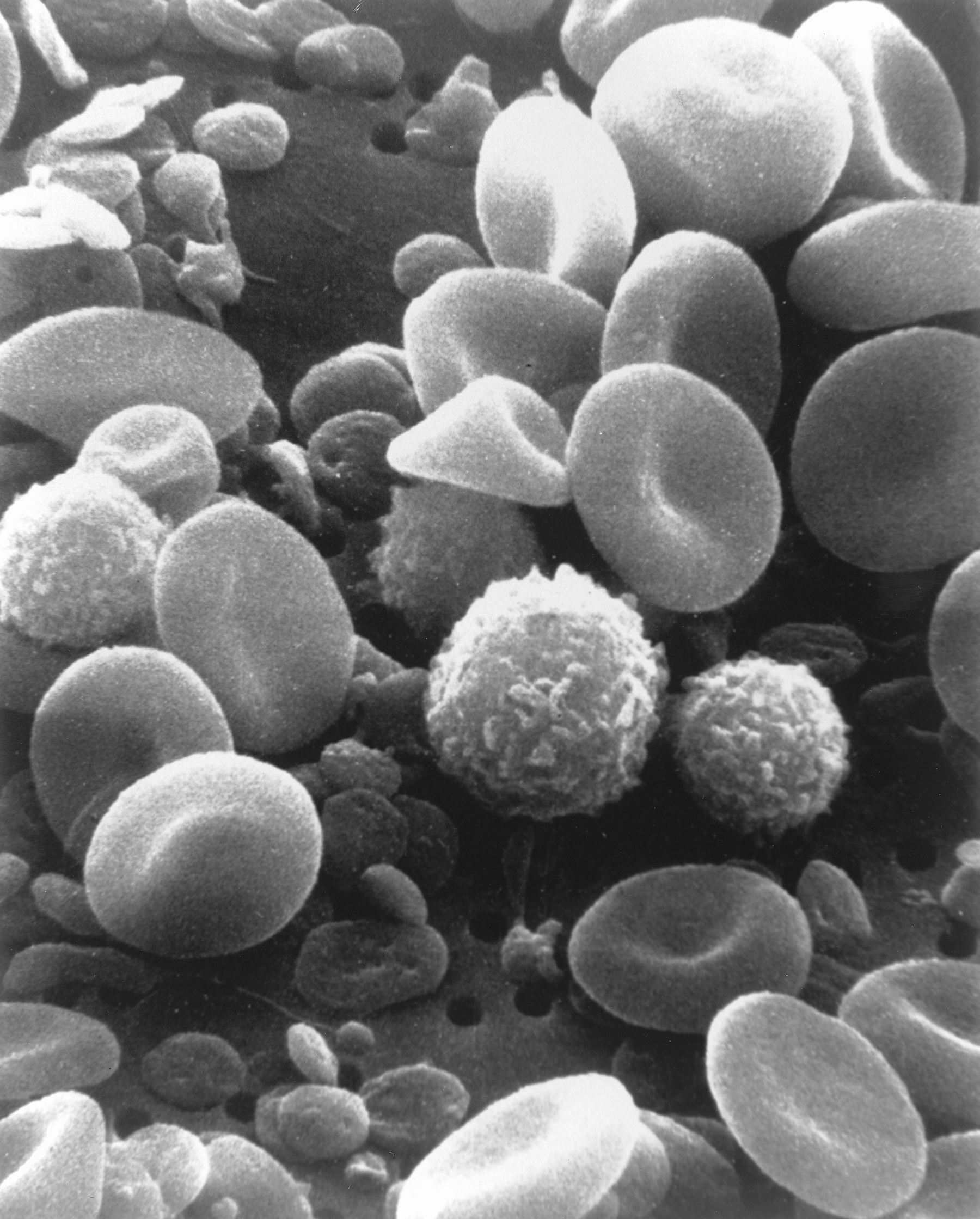
Induced pluripotent stem cells (iPSCs) can be generated from any patient and differentiated into any cell type. This enables disease modeling and drug testing on cells carrying the patient's own genetic background.
Explore Technology Topics
In-depth guides and research on human simulation technologies
Organ-on-Chip Systems
Complete guide to microfluidic organ models
Organoids Complete Guide
Patient-derived 3D tissue models
Digital Twins in Healthcare
Computational patient modeling
Microphysiological Systems
MPS platforms and applications
iPSC Technology
Induced pluripotent stem cells
Multi-Organ Systems
Body-on-chip and connected platforms
Brain Organoids Research
Cerebral organoid applications
Liver Models
Hepatic tissue engineering
Heart Models
Cardiac tissue platforms
Kidney Models
Renal tissue engineering
New Approach Methodologies
NAMs replacing animal testing
Quantum Drug Discovery
Quantum computing in pharma
Assembloids
Fused organoid systems